Most financial advice is fundamentally flawed because it treats you like a calculator. It assumes that if you are presented with a clean spreadsheet showing your exact income, fixed expenses, and compounding projection numbers, you will automatically make perfect decisions.
In the real world, people don’t make financial choices on a spreadsheet. They make them at the dinner table, inside car dealerships, and during moments of high stress, driven by ego, envy, and personal history.

True wealth creation has very little to do with raw intelligence and almost everything to do with behavior. If you want to permanently change your relationship with capital, you must study the underlying philosophies of money. Instead of wading through dense, academic macroeconomic textbooks, look to authors who have successfully translated complex investment concepts into real-world strategies. Let’s break down the best personal finance books currently available, map their specific strengths to your timeline, and reveal the best book on personal finance to shift your wealth trajectory.
1. The Behavioral Foundations: Rewiring Your Mindset
Before setting up a single automated investment account, you need to understand why you make mistakes with your cash. Without behavioral changes, even the best tactical budgeting plan will fall apart under pressure.
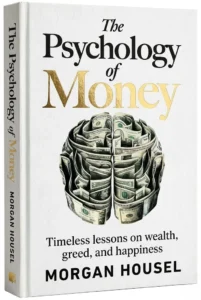
The Psychology of Money by Morgan Housel
If you only have time to read one text this year, this is the best book on personal finance on the shelf today. Housel, a former columnist for The Wall Street Journal, skips the math formulas and focuses entirely on the psychological flaws that cause smart people to go broke.
“Doing well with money isn’t necessarily about what you know. It’s about how you behave. And behavior is hard to teach, even to really smart people.” — Morgan Housel
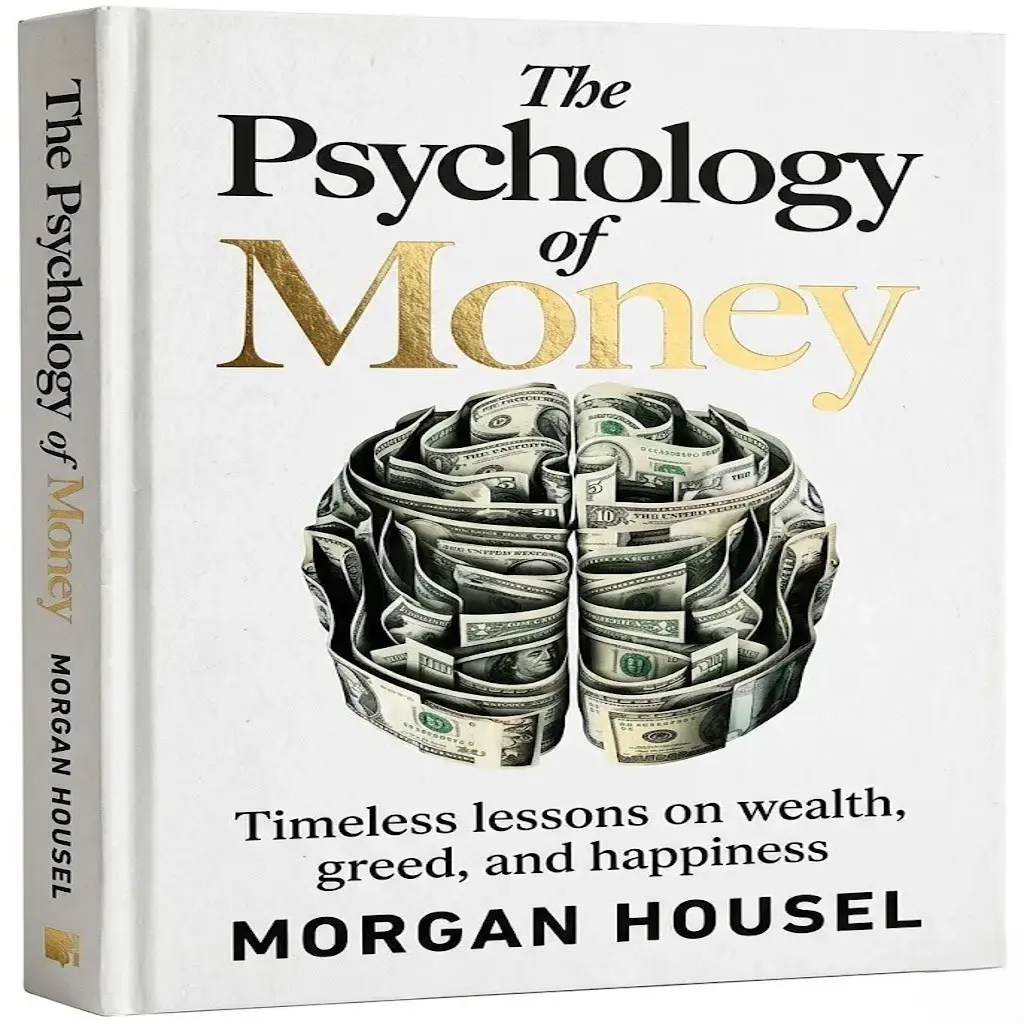
- The Core Insight: Being reasonable with your money is far more sustainable than trying to be perfectly rational. For example, paying off your home mortgage early might not make mathematical sense if index funds yield higher returns, but if it lets you sleep soundly at night, it is the correct behavioral move.
- Target Audience: Perfect for anyone who struggles with lifestyle inflation or finds themselves panicking during stock market corrections.
2. Tactical Execution Guides for Beginners
Once you understand your psychological habits, you need clear instructions on how to set up your financial accounts. The next two selections are universally recognized as the best personal finance books for beginners because they replace vague advice with explicit steps.
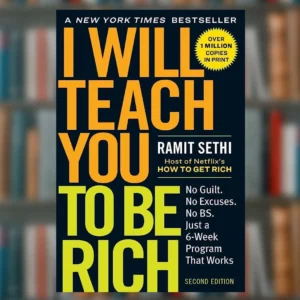
I Will Teach You to Be Rich by Ramit Sethi
Sethi’s approach is a refreshing alternative to traditional, restrictive financial advice. Instead of telling you to cut out your morning coffee or live like a monk, he focuses on what he calls “The Rich Life.”
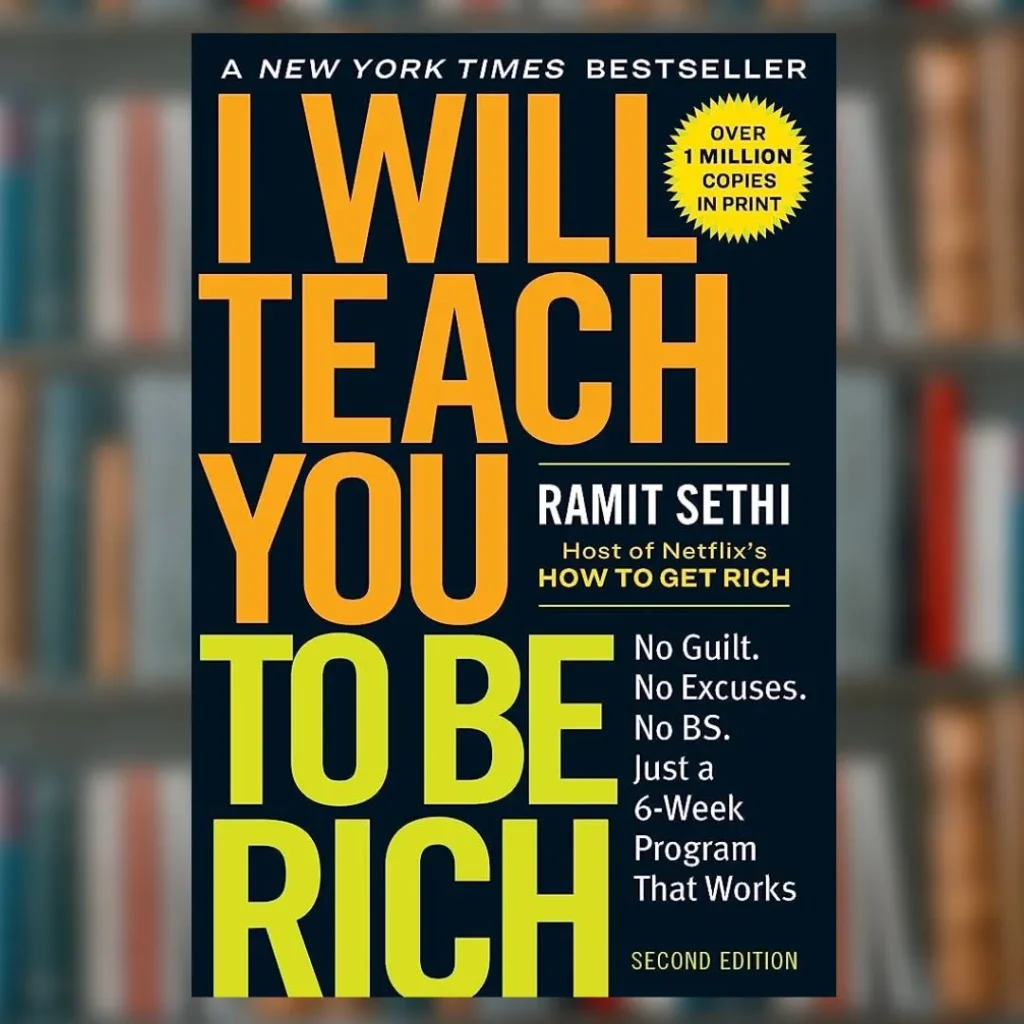
- Conscious Spending: Sethi teaches you to ruthlessly cut costs on things you don’t care about, so you can spend extravagantly on the things you love.
- Automation Strategy: The real value of this manual is its operational layout. It shows you exactly how to wire your checking account, credit cards, high-yield savings accounts, and investment accounts together. This system lets your income flow directly into wealth-building vehicles before you ever have the chance to touch it.
The Simple Path to Wealth by JL Collins
What began as a series of personal letters from Collins to his daughter eventually turned into the ultimate guide for ultra-simple investing. This text serves as an exceptional best beginner personal finance books option for anyone intimidated by Wall Street jargon.
- The Power of VTSAX: Collins argues that you don’t need a complex portfolio of international stocks, gold, and sector funds. Instead, he advocates for putting 100% of your investable equity capital into a single low-cost index fund—specifically the Vanguard Total Stock Market Index Fund (VTSAX)—and holding it forever.
- F-You Money: Collins explains how building a dedicated pool of independent capital frees you from bad jobs, toxic bosses, and restrictive life circumstances.
3. Playbooks for Early Career Professionals & Young Adults
If you are managing your first independent salary or working to clear out student loans, your financial goals are unique. You need a mix of aggressive debt elimination and long-term asset building.
The Total Money Makeover by Dave Ramsey
Ramsey’s core investment advice is often criticized by financial analysts for being overly conservative, but his methodology for eliminating high-interest debt is unmatched. This makes it one of the best personal finance books for young adults who find themselves carrying heavy consumer liabilities.
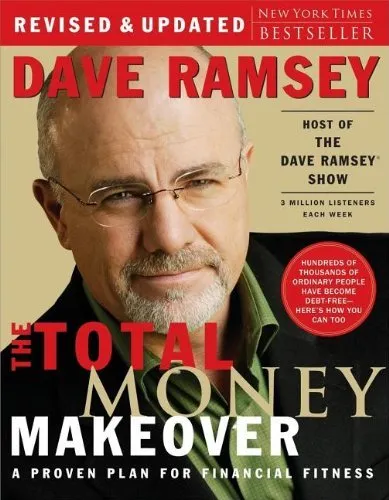
- The Debt Snowball: Ramsey instructs readers to list their debts from smallest to largest balance, regardless of interest rates. By knocking out the smallest balance first, you secure a quick psychological win, building the behavioral momentum needed to tackle larger accounts.
- The Cash Lifestyle: He advocates for stepping away from credit cards completely, using a cash-based envelope system to force strict adherence to your monthly spending limits.
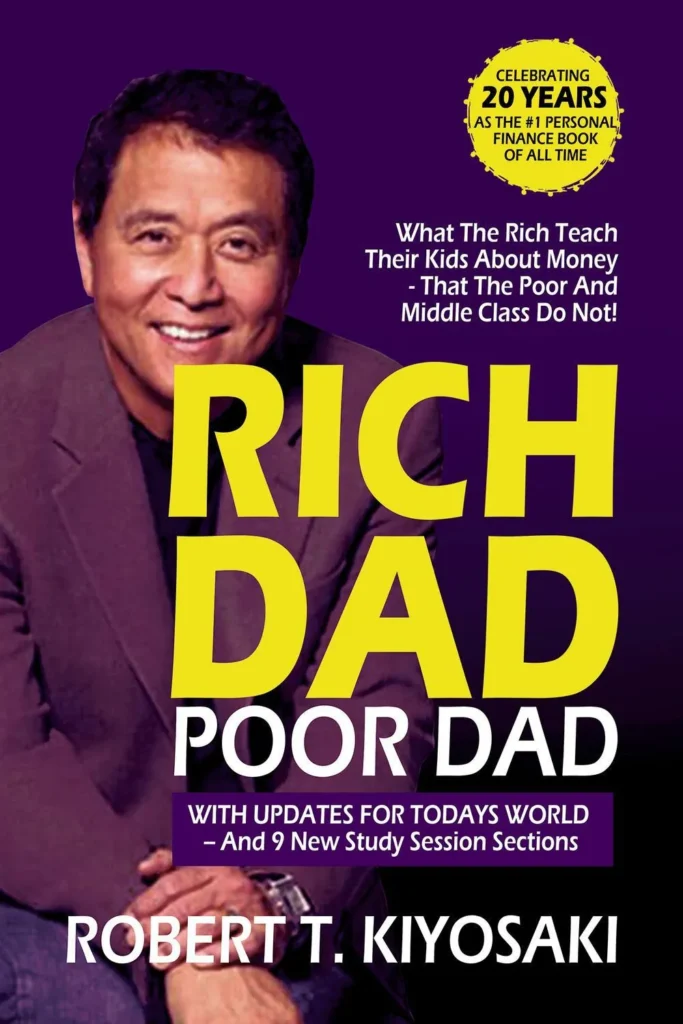
Rich Dad Poor Dad by Robert Kiyosaki
While some of the biographical stories in this text are heavily romanticized, its structural definition of wealth remains an eye-opening read for young adults entering the workforce.
🏠 Traditional View: House = Asset
🧠 Kiyosaki View: Asset = Generates Cash Flow | Liability = Drains Cash Flow (House = Liability)
- Redefining Assets: Kiyosaki defines an asset as anything that puts money into your pocket, while a liability is anything that takes money out of your pocket. By this definition, your primary personal residence isn’t an asset—it’s a liability that requires ongoing mortgage, insurance, and maintenance payments. True wealth comes from acquiring cash-generating business equity, rental real estate, or paper securities.
The Ultimate Personal Finance Books Guide: Read Your Way to Real Wealth
4. Comprehensive Financial Literature Matrix
To help you choose your next read, review this quick reference table comparing the primary focus, difficulty level, and core strategies of today’s top personal finance titles.
| Book Title | Core Author | Target Skill Level | Primary Financial Focus Area | Key Tactical Strategy | Ideal Structural Use Case |
| The Psychology of Money | Morgan Housel | All Levels | Investor Psychology & Risk | Behavioral moderation over math optimization | Overcoming lifestyle creep and market panic cycles |
| I Will Teach You to Be Rich | Ramit Sethi | Beginner to Intermediate | Automation, Banking & Optimization | Conscious spending plans and automated cash routings | Building a hands-off, modern automated banking stack |
| The Simple Path to Wealth | JL Collins | Beginner | Passive Index Investing | 100% broad-market low-cost index funds | Building an ultra-simple, low-stress retirement engine |
| The Total Money Makeover | Dave Ramsey | Beginner | Aggressive Debt Elimination | The Debt Snowball & Cash Envelope systems | Clearing out credit cards and student loan burdens |
| Rich Dad Poor Dad | Robert Kiyosaki | Introductory | Financial Literacy & Business | Accumulating cash-flowing cash assets | Shifting your mindset away from trading time for money |
5. From Literacy to Leverage: Your Implementation Blueprint
Reading these books will not change your financial life unless you turn their concepts into concrete actions. Avoid finish-line fatigue by working through this systematic implementation sequence immediately after closing the back cover:
1.Audit and Adjust Your Fee Exposure:Eliminating Hidden Traps.
Log into your current investment accounts and find the hidden fee structures. Check the expense ratios of your current mutual funds. If you find yourself in expensive, actively managed funds charging north of 1.0%, swap them out for low-cost alternatives charging less than 0.05%.
2.Build Your Baseline Security Buffer:Constructing Safe Zones.
Set up a dedicated High-Yield Savings Account (HYSA) completely separate from your primary everyday bank. Route three to six months of baseline living expenses into this vault. Label it your “Peace of Mind Fund” and treat it as a protected asset.
3.Configure Automated Distribution Rails:Creating the Wealth Valve.
Link your main checking account to your investment portal. Establish an automatic transfer that pulls a fixed portion of your salary (aim for 15% to 20%) on your exact payday. This ensures you pay your future self first, before paying any everyday bills.
4.Establish a Bi-Annual Portfolio Review:Continuous Growth Tracking.
Set a recurring calendar reminder for every six months. Spend exactly 30 minutes confirming that your automation rails are functioning correctly, verifying that your dividend distributions are turning on auto-reinvest, and adjusting your contribution amounts to match your income growth.
To review consumer protection guidelines and explore baseline educational modules on managing retirement investments, explore the data archives maintained by the Consumer Financial Protection Bureau (CFPB). For analytical studies tracking why individual retail investors consistently underperform basic indexing models due to emotional trading, read the research publications issued by the Harvard Business Review (HBR).
The Definitive Personal Finance Book FAQ
What are the best personal finance books for people who hate math?
The absolute best option for anyone intimidated by numbers is “The Psychology of Money” by Morgan Housel. The book features zero complex math formulas, balance sheets, or algorithmic models. Instead, it uses engaging historical narratives and short stories to reveal how everyday human traits like greed, envy, and pride influence your financial decisions far more than mathematical intelligence.
What is universally considered the best book on personal finance to read first?
If you want an immediate balance of mental framing and step-by-step action instructions, “I Will Teach You to Be Rich” by Ramit Sethi is the ideal first choice. It meets readers exactly where they are, avoids condescending lectures about daily spending, and provides explicit scripts on how to negotiate bills, automate savings, and invest cleanly from your smartphone.
Which are the best personal finance books for beginners with zero investment knowledge?
For absolute beginners, reading “The Simple Path to Wealth” by JL Collins alongside Ramit Sethi’s text is highly effective. Collins demystifies the confusing language used by Wall Street advisors and explains how a single, straightforward investment vehicle can reliably build long-term generational wealth without requiring constant tracking or portfolio adjustments.
What are the best personal finance books for young adults entering the workforce?
Young adults facing a mix of entry-level salaries and student loans should read “The Total Money Makeover” by Dave Ramsey for an aggressive strategy to eliminate debt, followed immediately by “Rich Dad Poor Dad” by Robert Kiyosaki. Ramsey provides the discipline needed to build an emergency fund and clear consumer debt, while Kiyosaki introduces the essential mindset shift required to build real wealth by focusing on buying cash-flowing assets.
Why do some best beginner personal finance books offer conflicting advice?
The conflict stems from whether an author prioritizes mathematical optimization or behavioral psychology. For example, a math-focused author will tell you to never pay off a 3% mortgage early because you can earn 8% in the stock market. Conversely, a behavior-focused author like Dave Ramsey will advocate for clearing that mortgage immediately because the psychological peace of being debt-free changes your real-world risk management and spending behavior. Choose the strategy that matches your personal emotional makeup.