When you think of financial institutions that control the global flow of capital, names like Goldman Sachs, JPMorgan Chase, or Morgan Stanley often dominate the conversation. But there is a silent giant headquartered in Boston that operates with a completely different playbook. That giant is Fidelity Investments.
Managing trillions of dollars in assets under administration, Fidelity isn’t just an investment firm; it’s a massive technology incubator, a customer service machine, and a workplace ecosystem that employs tens of thousands of professionals globally. That’s why Fidelity Investments Careers attract professionals from finance, technology, customer support, marketing, and data analytics fields alike.
If you are looking at Fidelity Investments careers, you are likely trying to figure out how to stand out in a sea of hundreds of thousands of applicants. Getting hired at Fidelity takes more than uploading a standard resume and hoping for the best. Candidates who stand out usually understand how the company operates, what makes its privately owned structure different, and the type of long-term mindset the hiring process is built to identify. This guide walks through the key steps, expectations, and strategies that can help you successfully navigate the process and improve your chances of receiving an offer.
1: Unpacking the Culture and Employee Value Proposition (EVP)
To really get what makes working at Fidelity different, you have to look at one big thing: they’re privately owned. Unlike the usual Wall Street crowd, Fidelity doesn’t have to scramble every three months to please public shareholders or hit quarterly targets. The Johnson family has run the show for generations, which means they actually play the long game. That’s exactly why people looking into careers here see the company as a stable, culture-first place to land, rather than a corporate pressure cooker.
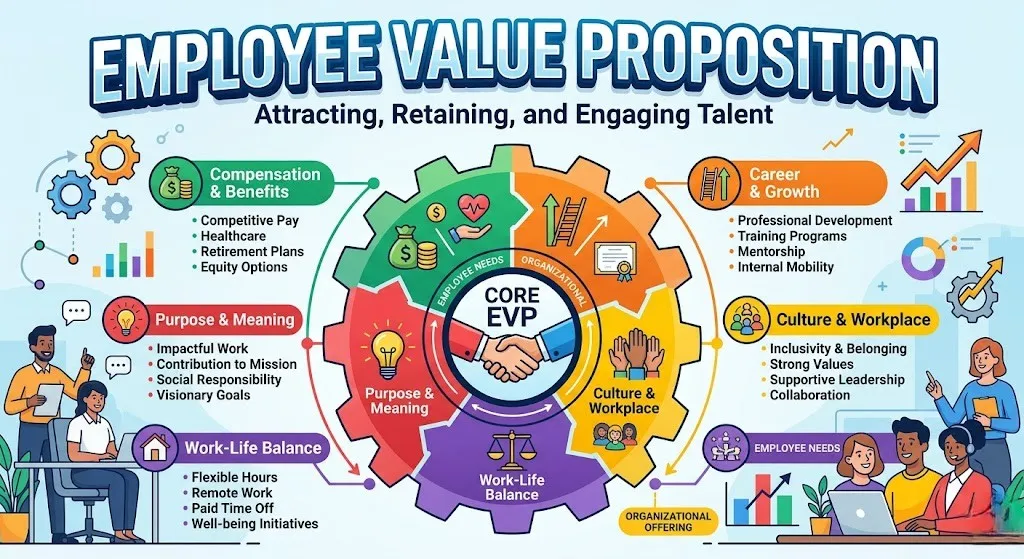
Not having to answer to public stock markets completely flips the employee experience on its head. It’s the main reason professionals find the vibe here way more grounded and people-focused than your typical publicly traded financial giant.
1. Long-Term Stability over Cyclic Layoffs
Publicly traded investment banks are notorious for mass hirings during bull markets and brutal, immediate layoffs during market contractions. Fidelity takes a multi-decade view. Because they retain their profits rather than paying them out to public shareholders, they have the capital reserves to ride out economic downturns without immediately restructuring their workforce. If you value psychological safety and job security, this is a massive differentiator.
2. The 2026 Hybrid Work Reality
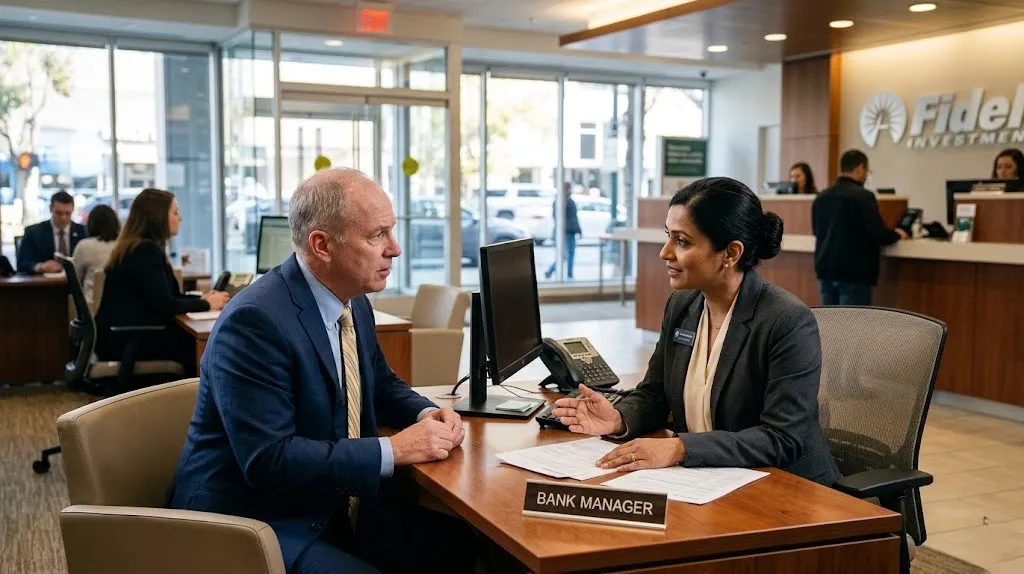
Fidelity has adapted to the modern corporate landscape by implementing a highly structured, region-dependent hybrid work policy. While some roles require more face-to-face interaction, the standard framework for corporate, tech, and analytical roles leans toward a dynamic model (e.g., one week in-office, one week remote, or designated core collaboration days). They have heavily invested in transforming their regional campuses into collaborative workspaces rather than rows of isolated cubicles.

3. Innovation at Scale
Don’t let the legacy financial brand fool you. Fidelity is a technology company disguised as an asset manager. They were early institutional adopters of cloud computing architectures, blockchain research, and artificial intelligence frameworks for predictive analytics. Working here means handling scale: your code, your financial advice, or your operational workflow will directly impact millions of everyday investors, retirement savers, and institutional clients.

2: Major Career Tracks at Fidelity
Fidelity does not hire just one type of professional. The organization is divided into distinct operational business units, each requiring a completely unique skill set and personality profile.
                      ┌─────────────────────────────────┐
                      │  Fidelity Investments Ecosystem │
                      └────────────────┬────────────────┘
                                       │
         ┌─────────────────────────────┼─────────────────────────────┐
         ▼                             ▼                             ▼
┌──────────────────┐          ┌──────────────────┐          ┌──────────────────┐
│   Technology &   │          │Financial Services│          │   Operations &   │
│   Engineering    │          │    & Advisory    │          │ Customer Success │
└──────────────────┘          └──────────────────┘          └──────────────────┘
* Cloud Architecture          * Financial Advisors          * 401(k) Account Mgmt
* Cybersecurity               * Portfolio Analysts          * High-Volume Support
* Data Science / AI           * Client Relationship Mgrs    * Implementation Spec.
1. Technology & Engineering
Technology sits at the centre of nearly everything Fidelity does. The company consistently hires software engineers, data scientists, cloud specialists working with platforms like AWS and Azure, and cybersecurity professionals to support and expand its digital infrastructure. As financial services continue becoming more technology-driven, Fidelity Investments Careers have become increasingly attractive for professionals with strong technical and analytical skills.

- The Vibe: Agile, product-focused, and highly collaborative.
- Key Skills: Java, Python, Angular, AWS architecture, microservices, and large-scale data processing engines.
2. Financial Services & Wealth Management
This is the client-facing engine of the firm. It includes Financial Advisors, Relationship Managers, and Investment Consultants who work directly with individual retail investors or ultra-high-net-worth clients.
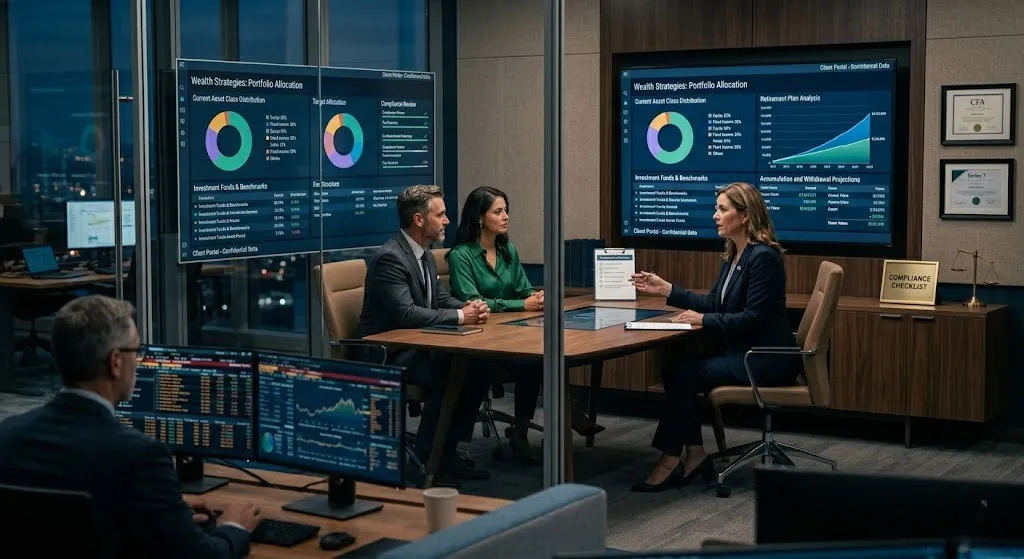
- The Vibe: Relationship-driven, analytical, and highly regulated.
- Key Requirements: FINRA licensing (Series 7, Series 66, or equivalent) is typically required or sponsored immediately upon hire.
3. Operations & Customer Success
Fidelity is the largest administrator of workplace retirement plans (401k systems) in the United States. The operations team manages the incredibly complex backend infrastructure that processes these transactions, answers plan participant queries, and ensures compliance with federal employment and tax laws.
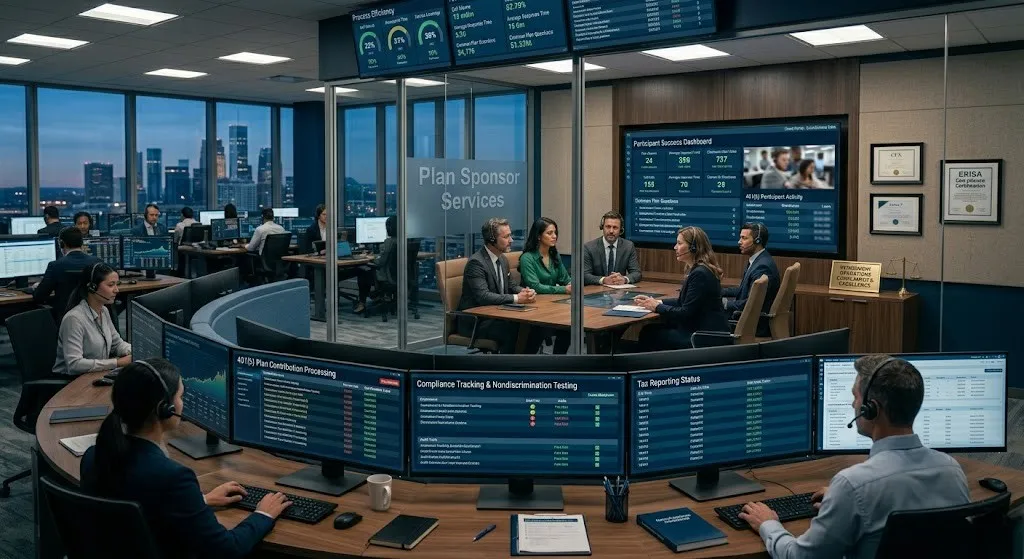
- The Vibe: High-efficiency, detail-oriented, and process-driven.
3: The Geographic Footprint: Finding Your Hub
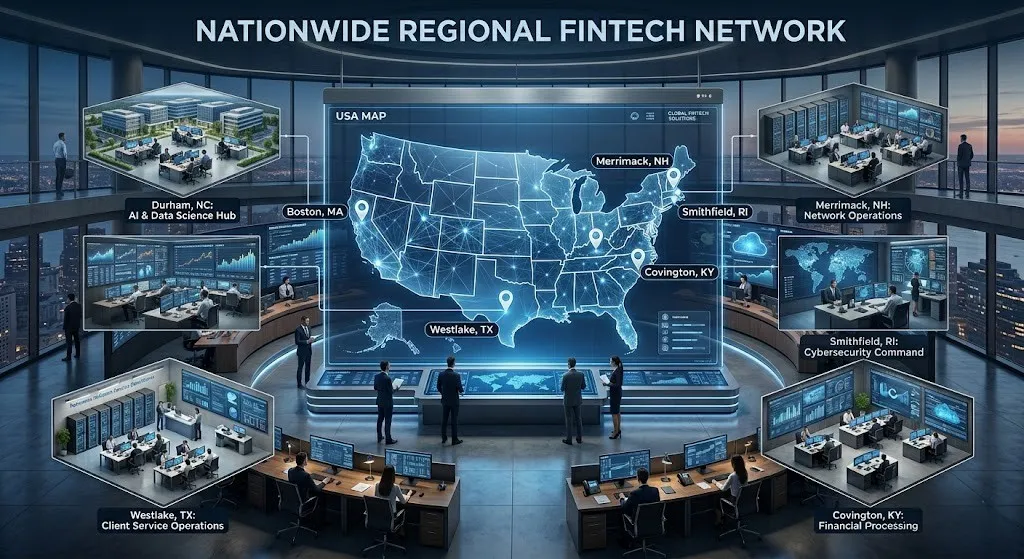
While founded and headquartered in Boston, Massachusetts, Fidelity has intentionally decentralized its workforce across several massive, state-of-the-art regional campuses. Choosing the right region can drastically affect your career trajectory and interview competitiveness.
- Boston, MA (Headquarters): Home to executive leadership, core asset management (FMR Co.), corporate legal, and high-level product strategy teams.
- Westlake, TX: A massive campus outside of Dallas-Fort Worth that serves as a primary hub for technology, customer operations, and corporate functions.
- Durham, NC: Located in the Research Triangle Park area, this campus is heavily skewed toward software engineering, digital experience design, and cybersecurity infrastructure.
- Merrimack, NH & Smithfield, RI: Key Northeastern hubs that balance regional client management, operational backend teams, and large scale technology divisions.
- Covington, KY: Positioned right across the river from Cincinnati, this location handles a vast percentage of the firm’s operational service delivery, client onboarding, and support infrastructure.
4: The Step-by-Step Application Pipeline
Getting your foot in the door requires navigating their recruitment engine with deliberate strategy. The days of submitting a blind resume and hoping for the best are gone.
Step 1: Parsing the Workday Portal
Fidelity uses enterprise recruitment tracking systems to manage millions of incoming applications. To survive the initial automated screening, your resume must be formatted cleanly without complex tables, graphic text boxes, or unusual fonts that confuse the parser. Use clean markdown logic or simple layouts.
Step 2: The Keyword Optimisation Strategy
Fidelity’s recruiters search their internal database using highly specific functional keywords. If you are applying for an engineering role, your resume must explicitly list your technical stack across your past experiences. If you are applying for a financial role, metrics matter: quote the size of the book of business you managed, your client retention rates, or your specific regulatory licenses.
Step 3: The Recruiters’ Five-Second Scan
An internal recruiter looks at your resume for an incredibly brief window before making a binary decision. They look for:
- Job Title Alignment: Does your current or past title match the role you applied for?
- Geographic Stability: Are you local to the hub, or have you explicitly stated that you are willing to relocate?
- Core Competency Match: Do you possess the exact non-negotiable certification or technical language required for the job?
5: Demystifying the Interview Process
Once you clear the initial application screen, you enter a highly standardised, multi-tiered interview process. Fidelity values consistency across its hiring metrics, meaning your experience will closely follow this structured path.
1. The HireVue Automated Screen
For many entry-level, customer-facing, and technical tracks, the first step is an asynchronous HireVue video interview. You will face a computer screen, read a prompt, and have 2 to 3 minutes to record your verbal response.
- The Survival Tactic: Treat the webcam like a human being. Maintain eye contact with the camera lens, not your own image on the screen. Speak clearly and concisely.
- The Scoring System: While automated tools review basic structural aspects of the recording, an actual human recruiter or hiring manager reviews the content to assess your communication skills and professionalism before advancing you.
2. Mastering the Behavioral Round (The STAR Method)
Fidelity is deeply protective of its corporate culture. They would rather pass on a technical genius who exhibits toxic interpersonal traits than compromise their team environment. Because of this, every candidate faces intensive behavioral questioning based on the STAR Method (Situation, Task, Action, Result).
Expert Insight: When constructing your behavioral examples, always weave in Fidelity’s core values: continuous improvement, customer obsession, integrity, and collaboration.
Behavioral Interview Sample Script:
- Interviewer: “Tell me about a time you had to deal with a difficult client or stakeholder who disagreed with your approach.”
- Candidate (STAR Blueprint):
- Situation: “At my previous firm, a high-value institutional client was angry about an operational delay caused by a legacy system update.”
- Task: “My responsibility was to de-escalate the situation, explain the technical constraint without exposing internal liabilities, and retain their business.”
- Action: “Instead of sending an automated email update, I scheduled an immediate video call. I acknowledged the impact on their timeline, took personal accountability, and presented a two-tier workaround that kept their immediate data processing running manually while our engineers resolved the system issue.”
- Result: “The client appreciated the transparency and immediate dedication of resources. Not only did we retain their portfolio, but their satisfaction score increased by 15% on the subsequent annual review because of our rapid crisis management.”
3. The Technical & Case Evaluation Tracks
Depending on your career vertical, this round shifts focus significantly:
- For Engineers: Expect a live coding session or system design interview. This isn’t just about writing perfect syntax; it’s about explaining your architectural choices in real time. Can you write clean, maintainable microservices? How do you think about data consistency and security?
- For Advisors and Analysts: You may be given a sample market scenario or a mock client portfolio. You will be asked to analyze the data, identify the systemic risks, and present your asset allocation recommendations to a panel acting as senior management.
The Ultimate Personal Finance Books Guide: Read Your Way to Real Wealth
6: Compensation, Benefits, and Perks (The Hard Math)
Fidelity is highly competitive with its total compensation packages, but its true power lies in its comprehensive benefits ecosystem, particularly its retirement and wealth-sharing initiatives. This is one of the major reasons Fidelity Investments Careers are considered attractive for professionals seeking long-term financial growth and workplace stability.
The Profit-Sharing Magic
Unlike standard public corporations that offer stock options or restricted stock units (RSUs) that can lose value in a bear market, Fidelity offers a legendary Profit-Sharing Program. At the end of every fiscal year, a percentage of the firm’s total profitability is deposited directly into your retirement account as a non-elective contribution. This unique benefit is one of the standout reasons why Fidelity Investments Careers are highly valued by professionals focused on long-term financial security.
Historically, this has frequently added an additional 10% to 15% of an employee’s base salary directly into their retirement fund, completely separate from any standard 401(k) matching programs. This is another reason Fidelity Investments Careers are often praised for their exceptional long-term retirement and wealth-building benefits.
Benefits Architecture Table
| Benefit Category | What Fidelity Offers | The Bottom Line Impact |
| Retirement Matching | Generous dollar-for-dollar match up to a designated cap. | Instantly doubles your personal savings rate. |
| Profit Sharing | Annual contribution based on overall private firm performance. | Builds massive, compounding long-term wealth passively. |
| Student Loan Assistance | Monthly direct payments to your student loan provider. | Accelerates your debt-free timeline significantly. |
| Tuition Reimbursement | Financial sponsorship for approved continuous education or degree tracks. | Allows you to upskill or earn an MBA completely free. |
| Health & Wellness | Comprehensive medical, dental, onsite fitness centers (at major hubs), and mental health programs. | Minimizes out-of-pocket healthcare expenses. |
7: Career Progression, Training, and Mobility
Fidelity rarely hires people with the expectation that they will remain in the exact same role forever. They look for lifelong learners. This focus on continuous development is one of the reasons Fidelity Investments Careers attracts ambitious professionals seeking long-term career advancement.
The Fidelity Leap Program
For recent technology graduates and career changers, Fidelity runs Leap, an intensive, multi-month onboarding and professional development program. It transitions new hires into high-performing software engineers through structured learning tracks, real-world project simulations, and executive mentorship. It serves as a highly accelerated career launchpad within the firm, making Fidelity Investments Careers especially appealing for aspiring tech professionals and career switchers.
Internal Mobility Framework
Fidelity encourages structural rotation. If you start your career in customer operations in Covington, Kentucky, but discover a deep passion for cloud engineering, the firm provides the internal training infrastructure and career paths to help you make that leap. After spending a standard minimum period (usually one to two years) excelling in your initial role, you can openly apply to internal job transfers across different business units or geographic campuses with the full backing of your human resources team. This internal mobility is one of the biggest advantages of Fidelity Investments Careers, offering employees flexibility, skill development, and long-term career growth opportunities.
8: The Pivotal 2026 Shift—The Full Return to Office (RTO) Mandate
The structural reality of working at Fidelity shifted dramatically in the spring of 2026. For several years following the pandemic, the firm operated under a flexible hybrid framework where corporate associates were required to work on-site for a baseline of 10 days per month. However, under the leadership of CEO Abigail Johnson, the firm executed a definitive strategic pivot. This major workplace shift became an important discussion point for professionals evaluating Fidelity Investments Careers and the company’s evolving work culture.
Beginning in September 2026, Fidelity is terminating its hybrid model for thousands of core corporate workers and initiating a strict 5-day-a-week full in-office mandate. This policy change has become a major consideration for professionals researching Fidelity Investments Careers and evaluating work-life balance expectations at the company.
Which Locations are Impacted?
The full RTO policy rolls out across primary domestic operational footprints, specifically targeting:
- The Boston, MA Headquarters (FMR campus assets)
- Merrimack, NH
- Covington, KY
- Albuquerque, NM
The Strategic Philosophy Behind 5-Day On-Site Work
Fidelity’s leadership team says this operational shift is not simply about reducing costs or tightening control. Instead, the company views it as a long-term investment in workplace culture, collaboration, and employee development. According to leadership, the move is built around three core ideas that continue to influence the overall experience of Fidelity Investments Careers.
- The Mentorship Deficit: Internal data revealed that younger or entry-level associates who onboarded under purely hybrid or remote setups suffered a slower trajectory in professional networking and organic skill acquisition.
- Frictionless Collaboration: The firm is moving away from asynchronous communications to drive faster operational execution. Spontaneous meetings, shoulder-tapping collaboration, and immediate crisis management are prioritized over back-to-back video calls.
- Real Estate Optimization: Fidelity has steadily expanded its physical campus footprint, including building out state-of-the-art infrastructure designed to blend high-focus personal pods with expansive collaborative team war rooms.
Candidate Strategy: If you are interviewing for a role in 2026, do not ask for remote exemptions. Recruiters are screening heavily for geographic proximity and local lifestyle alignment. Expressing explicit enthusiasm for a permanent 5-day corporate campus environment is a major competitive advantage in the current hiring cycle.
9: Deconstructing the 2026 Technology Restructuring
For engineers, developers, and product designers tracking Fidelity Investments careers, the technical organization is undergoing its most significant structural evolution in nearly a decade. In mid-2026, the company confirmed a structural restructuring affecting roughly 800 positions globally—amounting to approximately 1% of its massive 80,000+ workforce.
Old Distributed Model (Pre-2026)      New Centralized Model (2026 Post-Restructure)
┌─────────────────────────────────┐    ┌───────────────────────────────────────────┐
│ Isolated "Agile" Squads         │    │ Larger, Centralized Core Tech Platforms   │
│ (Fragmented product delivery)   │ ──►│ (Streamlined leadership, shared resources)│
└─────────────────────────────────┘    └───────────────────────────────────────────┘
The Transition Away from “Agile Squads”
For years, Fidelity relied on a highly decentralized matrix of small, independent “agile squads.” While this allowed local flexibility, it occasionally resulted in fragmented product delivery, redundant infrastructure design, and an over-indexing on senior managerial layers.
The 2026 restructuring is actively centralizing these tech organizations into larger, integrated engineering platforms. The goals are highly transparent:
- Eliminating Middle Management Layers: Streamlining report structures to put engineering talent closer to product leadership.
- Standardizing the Stack: Consolidating cloud deployment (primarily AWS architectures), core databases, and microservice protocols across all business divisions (Retail, Workplace Investing, Institutional).
The Workforce Arbitrage: Cutting Senior Ranks, Hiring 3,300 New Roles
While headline-grabbing restructurings can look intimidating on the surface, the broader math reveals that Fidelity is in an aggressive net-hiring position. Alongside the 800 targeted role eliminations, the firm announced explicit plans to bring on over 3,300 new employees before the end of the year.
The hiring blueprint targets two distinct talent profiles:
- Early-Career Technologists (Approx. 2,000 hires): Junior developers, bootcamp graduates, and university engineering pipeline candidates are being recruited to build the foundational coding ranks.
- Scale and AI Infrastructure Specialists (Approx. 1,300 product/tech hires): Focus areas include machine learning engineering, predictive security operations, massive data architecture, and high-availability cloud pipeline construction.
Rather than looking to replace human capital with automation, the firm’s leadership views technology investments as a capacity multiplier. Because Fidelity handles over $17.9 trillion in assets under administration, their technology stack must be engineered to handle exponentially scaling user interactions without increasing transactional friction.
10: A Day in the Life—Role Profiles Under the New Blueprint
To understand whether an enterprise career here aligns with your professional style, it helps to examine how the 2026 structural updates translate into day-to-day operations.
Profile A: Associate Software Engineer (Durham, NC Hub)
- Pathways: Enentered via the Fidelity Leap Program.
- The Workspace: Assigned to a centralized engineering platform focusing on retail trading backend infrastructure.
- 08:30 AM – Morning Ingestion: Arrives at the campus. Grabs coffee and checks code repositories. Because of the 5-day on-site model, the entire team is physically present.
- 09:00 AM – The Platform Alignment Meeting: A brief standalone synchronization. Because they moved away from small agile squads, this meeting coordinates with a larger platform group to ensure code merges don’t conflict with institutional systems.
- 10:00 AM – Core Focus Block: Deep-dive coding in Java or writing automated testing scripts for cloud infrastructure deployment.
- 12:30 PM – Campus Lunch & Networking: Eats at the on-site dining facility. Mentors and director-level platform leaders are accessible for casual career tracking discussions.
- 02:00 PM – Code Review & Pair Programming: Sits side-by-side with a senior software architect to refactor microservices. The direct feedback loop accelerates code quality much faster than digital screen sharing.
- 04:30 PM – Deployment and Documentation: Verifies system stability metrics in staging environments before closing out repositories.
Profile B: Workplace Financial Consultant (Westlake, TX Hub)
- Core Mandate: Managing relationships with high-earning plan participants across massive enterprise 401(k) accounts.
- 08:00 AM – Market Pulse Check: Reviews global market movements, internal investment strategy briefings, and compliance updates.
- 09:00 AM – Client Consultation Block 1: Direct back-to-back consultations with participants. This involves dissecting asset allocations, detailing tax-advantaged strategies, and explaining complex estate rules.
- 12:00 PM – Peer Strategy Session: Meets with regional compliance officers and senior portfolio strategists to review exceptional client portfolios or unusual regulatory scenarios.
- 01:30 PM – High-Net-Worth Advisory Outbound: Proactively contacts corporate executives whose portfolios have drifted from target weightings due to market fluctuations.
- 03:30 PM – Licensing & Continuous Learning Case Studies: Utilizes the firm’s internal learning platforms to study for advanced credentials or review the latest updates on tax-loss harvesting systems.
11: Mastering the FINRA Licensing Journey
For anyone entering the customer operations, advisory, or relationship management tracks, passing the financial regulatory exams is a non-negotiable term of employment. If you lack these licenses upon application, Fidelity operates a highly structured, paid internal licensing pipeline.
                      ┌─────────────────────────────────┐
                      │   The FINRA Gateway Pipeline    │
                      └────────────────┬────────────────┘
                                       │
                ┌──────────────────────┴──────────────────────┐
                ▼                                             ▼
  ┌───────────────────────────┐                 ┌───────────────────────────┐
  │   The SIE Exam (Phase 1)  │                 │  Series 7 & 66 (Phase 2)   │
  ├───────────────────────────┤                 ├───────────────────────────┤
  │ * Securities industry core│                 │ * Comprehensive brokerage │
  │ * Basic market operations │                 │ * State law regulations   │
  │ * Regulatory structures   │                 │ * Uniform advisory rules  │
  └───────────────────────────┘                 └───────────────────────────┘
The Cohort Study Framework
When you are hired into a licensed-conditional role, your first several weeks on the payroll are not spent taking client calls or executing trades. Instead, you are placed into a dedicated study cohort.
- Full-Time Study: Your job for 40 hours a week is simply to study. Fidelity provides proprietary study materials, practice exams, and dedicated internal instructors whose entire performance metric is based on your cohort’s passing percentage.
- The Milestones: You will systematically move through the Securities Industry Essentials (SIE) exam, the Series 7 (General Securities Representative) license, and the Series 66 (Uniform Combined State Law) license.
The Retention and Performance Pressure
Because the firm invests thousands of dollars per associate in licensing materials, study hours, and exam fees, there is real performance pressure.
- The Passing Deadline: Cohorts follow a strict, unyielding calendar timeline. You are typically given a designated number of attempts (often two) per exam within an exact sequence window.
- The Reality: Failure to clear the exams within the cohort timeline can lead to immediate separation from the firm or involuntary reassignment to a non-licensed administrative track.
Insider Tip: If you want to demonstrate elite initiative during the application process, self-study and sit for the SIE exam independently before you submit your resume. Passing the SIE on your own dime proves to recruiters that you can handle the intellectual rigor of regulatory testing and cuts down their onboarding training risk significantly.
12: Navigating the Applicant Tracking System (ATS) for Fidelity Careers
To secure an interview, you must first survive the digital screening architecture. With over 80,000 employees globally, the recruitment team handles immense volumes of data daily.
Actionable Resume Formatting Guidelines
- Avoid Complex Typography: Do not use headers embedded within stylized image blocks, progress bars for skills, or dual-column layouts that cause parsing tools to read horizontally across column breaks.
- Use Precise Business Unit Taxonomy: Mirror the language found in their corporate literature. Use terms like Workplace Investing, Personal Investing, Asset Management, Fidelity Technology Platforms, and Compliance and Risk Controls.
- Quantify the Scale of Impact: If you optimized a system, do not just write: “Optimized web app database.” Instead, frame it in terms that resonate with enterprise scale: “Refactored legacy database queries to reduce transaction latency by 14% across an application architecture handling 50k+ daily API requests.”
Strategic Keyword Integration Blueprint
Ensure your resume contains contextual clusters of the following terms depending on your target career vector:
- For Wealth/Advisory Roles: FINRA, Book of Business, High-Net-Worth (HNW), Asset Allocation, Portfolio Rebalancing, Client Retention Metrics, Fiduciary Duty, Series 7, Series 66.
- For Engineering Roles: AWS Cloud Architecture, Microservices, CI/CD Pipelines, Java Enterprise Architecture, Python Analytics, Scalability Testing, Monolith Deconstruction, Relational Databases, Agile-to-Platform Transitions.
- For Operations/Service Roles: High-Volume Case Resolution, Process Optimization, Regulatory Adherence, Customer Experience (CX), Escalation Management, Account Reconciliation, Standard Operating Procedures (SOPs).
13: Frequently Asked Questions (FAQ)
Q: Does Fidelity require a finance degree for non-financial roles?
A: Absolutely not. For technology roles, they look for computer science, engineering, or bootcamp graduates with strong technical portfolios. For operational and customer-facing tracks, they value communication skills, problem-solving abilities, and a high level of empathy over a specific degree discipline.
Q: What is the dress code across Fidelity’s offices?
A: Fidelity has embraced a modern “Dress for Your Day” policy. On days when you do not have client-facing interactions or formal presentations, the standard attire is smart casual (e.g., dark denim, chinos, button-down shirts, blazers, or professional knitwear). For client meetings, traditional business attire remains standard practice.
Q: How long does the entire hiring process typically take from application to offer?
A: The timeline can vary widely based on the complexity of the role and the volume of applications. On average, the complete cycle takes anywhere from 4 to 8 weeks. Technical and specialized wealth management tracks can take slightly longer due to panel interviews and comprehensive background check requirements.
Q: Does Fidelity sponsor international visas for tech positions?
A: Sponsorship policies are dynamic and depend entirely on the critical nature of the role, the current domestic talent supply, and evolving regional immigration frameworks. High-level, specialized engineering and data science roles are more likely to qualify for sponsorship considerations compared to entry-level or operational positions.
Q: How should I prepare for the background check after receiving an offer?
A: Because Fidelity is a heavily regulated financial institution monitored by FINRA and the SEC, their background check process is exceptionally thorough. Be prepared to provide clear, verifiable documentation for your complete employment history, educational degrees, and address history. Ensure that all dates and titles listed on your application match your official legal records exactly to prevent onboarding delays.
The Blueprint for Success: Next Steps
If you are serious about building a long-term career at Fidelity Investments, do not just treat it as another job application.
- Identify your target regional hub and make sure your resume highlights your proximity or clear relocation plan.
- Deconstruct your past professional wins using the STAR methodology, focusing on customer satisfaction and long-term problem-solving.
- Optimize your technical or functional keywords to ensure your profile clears the automated tracking architecture cleanly.
By combining tactical resume optimization with deep behavioral preparation, you position yourself as a high-alignment candidate capable of thriving within one of the world’s most stable and innovative private financial ecosystems.
For official career opportunities and to review current openings across all regional campuses, visit the Fidelity Careers Portal.
14: Final Synthesis—Is Fidelity the Right Strategic Move for You?
Choosing a career path at Fidelity Investments in 2026 requires clear alignment with their new corporate trajectory. It is an organization built for professionals who thrive in stable, well-capitalized environments and who value deep, structural long-term wealth generation via profit-sharing metrics.
However, if your absolute priority is permanent remote work, geographic nomadic flexibility, or the decentralized autonomy of small, highly experimental startup engineering squads, the firm’s strategic pivot toward a 5-day-a-week in-office mandate and centralized platform engineering models may run counter to your lifestyle goals.
For those who lean into the corporate architecture—who want their platforms to process trillions in asset actions, who want their financial guidance backed by generations of institutional credibility, and who appreciate a private ownership structure that prioritizes long-term job safety over quarterly Wall Street panic—landing a career here remains one of the most stable and wealth-accretive moves available in modern corporate finance and technology.