We’ve all had that sinking moment. You open your banking app, see a balance significantly lower than you remembered, and spend the next ten minutes scrolling through transactions like a digital detective. Wait, did I really spend $60 on artisanal candles? When did I sign up for a monthly pickle-of-the-month club? That’s exactly where Free Personal Finance Software becomes a lifesaver—it helps track spending, manage budgets, and keep your financial habits under control before things spiral.
Managing money used to mean balancing a checkbook with a calculator and a prayer. Then it moved to complex Excel spreadsheets that inevitably broke the moment you tried to add a new row. Today, we live in the golden age of financial tech. You no longer need to be a math whiz or hire a private accountant to stay on top of your coins.
In fact, you don’t even need to pay for the privilege. If you’re looking to unlock your financial potential, the right tools are already at your fingertips—for the low, low price of zero dollars. Here is the definitive guide to the top free personal finance software to help you take control of your future today.
Why Use Software Instead of “Vibes”?
Let’s be real: “Vibing” your way through your finances is a one-way ticket to working until you’re 90. Humans are notoriously bad at estimating their spending. We remember the $200 we saved on a sale, but we conveniently forget the three $15 DoorDash deliveries that “didn’t count” because we were tired.

Software provides objective truth. It doesn’t care if you had a bad day at work; it just shows you that your “Dining Out” category is currently 400% over budget. By using these tools, you move from a reactive state (worrying about bills) to a proactive state (building wealth).
1. Empower: The “Big Picture” Powerhouse
If your goal is to track your net worth and keep an eye on your investments, Empower (formerly known as Personal Capital) is the undisputed heavyweight champion of free software.
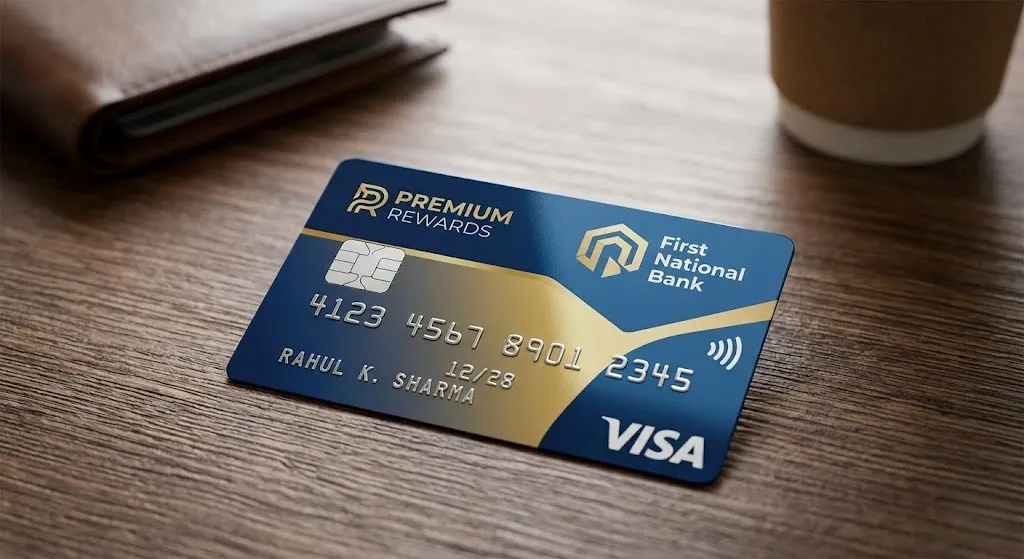
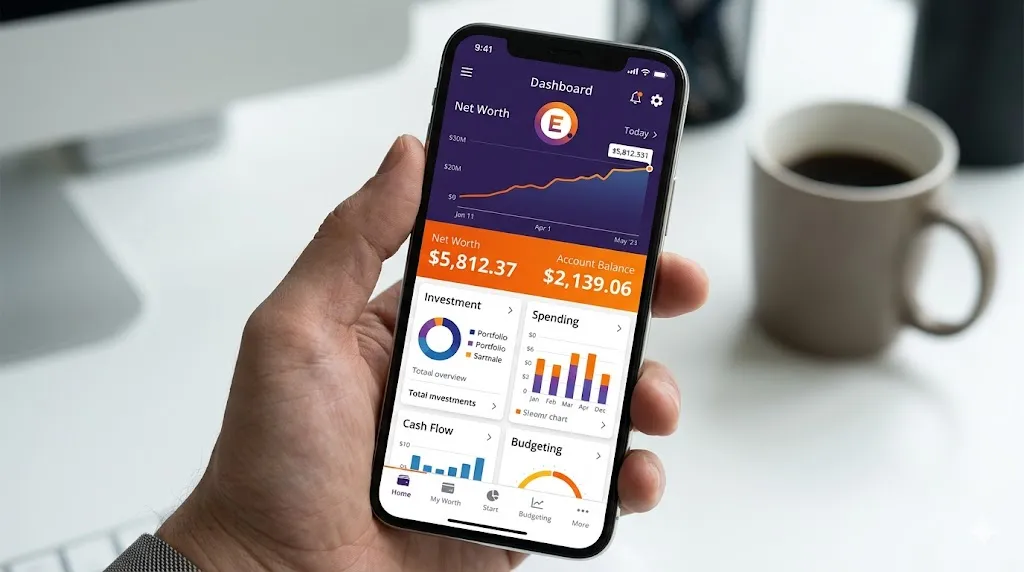
Empower isn’t just a budgeting app; it’s a comprehensive financial dashboard. It links to your bank accounts, credit cards, mortgages, and investment portfolios to give you a real-time “scoreboard” for your life.
Personal Finance Tips: How to Budget, Save, and Invest
Key Features:
- Net Worth Tracker: Watch your total value climb (or dip) in real-time.
- Investment Analytics: It analyzes your portfolio for hidden fees and diversification gaps.
- Retirement Planner: Run simulations to see if you’re actually on track to retire by 60.
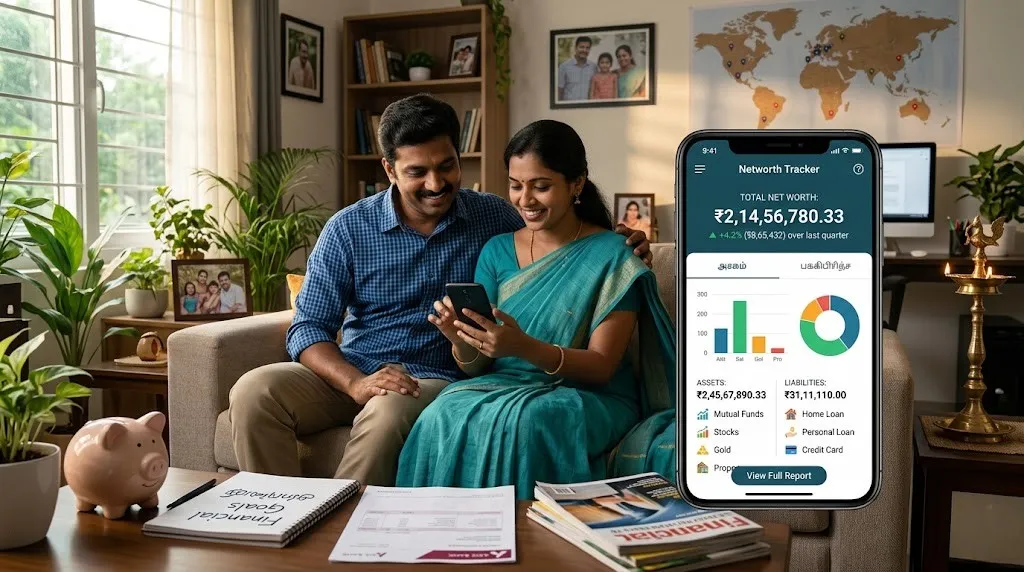
Why it’s great for beginners: It’s almost entirely automated. You link your accounts once, and the software does the heavy lifting.
Expert Insight: According toForbes Advisor, Empower is consistently ranked as the best free tool for wealth management because of its high-end investment tracking that usually costs a premium elsewhere.
2. Goodbudget: For the “Envelope Method” Fans
Are you the type of person who needs strict boundaries? If so, you’ll love Goodbudget. This software is based on the “Envelope System”—an old-school method where you put cash for different categories into physical envelopes. When the envelope is empty, you stop spending.
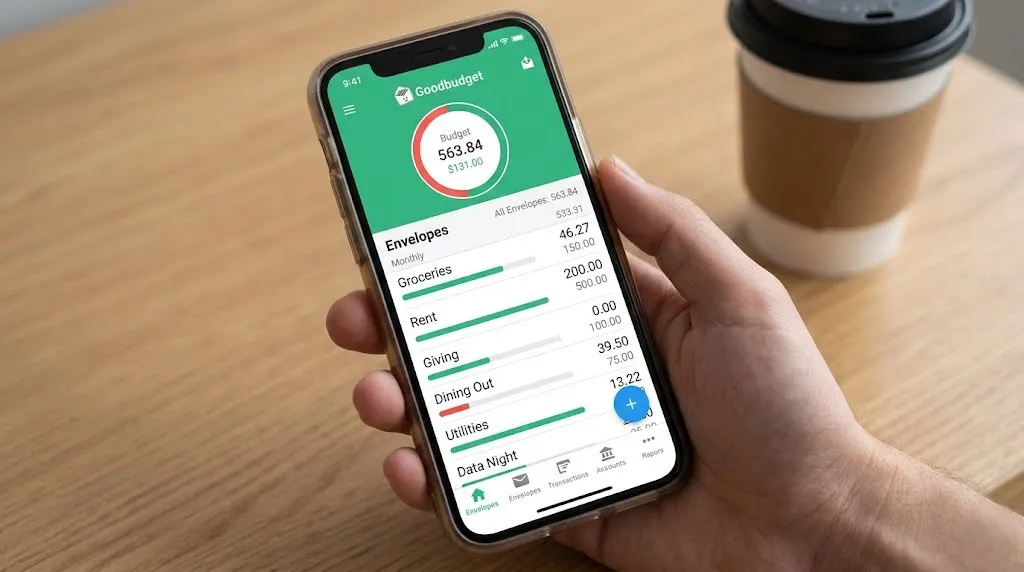
Goodbudget digitizes this process. You create “virtual envelopes” for things like groceries, rent, and fun money. It’s a “proactive” budgeting tool, meaning you decide where the money goes before you spend it.
Goodbudget Free Tier vs. Paid:
| Feature | Free Version | Plus (Paid) |
| Envelopes | 20 Envelopes | Unlimited |
| Accounts | 2 Accounts | Unlimited |
| Devices | 2 Devices | 5 Devices |
| History | 1 Year | 7 Years |
If you’re a single person or a couple with a simple financial life, 20 envelopes are more than enough to get your house in order.
3. GnuCash: The Open-Source “Pro” Tool
If you’re a fan of privacy and don’t like the idea of your financial data sitting on a corporate server, GnuCash is for you. It is open-source, “double-entry” accounting software.
“Double-entry” sounds intimidating, but it just means that every transaction has a source and a destination. This is the gold standard for accounting. If you want to run your personal finances like a business, GnuCash is the “top free personal finance software” for the job.
The Catch: The learning curve is steep. There are no fancy “syncing” features with your bank; you usually have to download and import your statements manually. However, for the data-privacy conscious, this is a feature, not a bug.
4. Google Sheets & Vertex42: The Spreadsheet Traditionalist
Don’t underestimate the power of a well-crafted spreadsheet. Sometimes, the flashy apps with their “gamification” and notifications are just distracting. Google Sheets is free, accessible on any device, and infinitely customizable.
But you don’t have to build your own from scratch. Vertex42 offers some of the most comprehensive free personal finance templates in existence.
Why Spreadsheets Work:
- Manual Entry = Mindful Spending: When you have to manually type in that $7 Starbucks purchase, you feel the “pain” of the spend more acutely.
- Zero Security Risk: You aren’t linking your actual bank login credentials to a third-party app.
- Complete Control: You can create your own categories, graphs, and projections.
Authority Link: You can find the best free templates at Vertex42’s Budgeting Page.
5. Rocket Money (Free Version): The Subscription Slayer
We live in the “Subscription Economy.” Between Netflix, Spotify, gym memberships, and that one app you forgot you trialed three months ago, most people are leaking $50–$100 a month without realizing it.
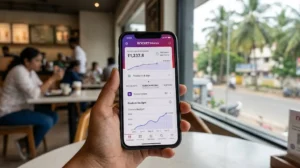
Rocket Money (formerly TrueBill) has a very capable free version. While they offer a “concierge” service to cancel bills for you (for a fee), the free version is excellent for identifying recurring charges and alerting you when your balance is low.
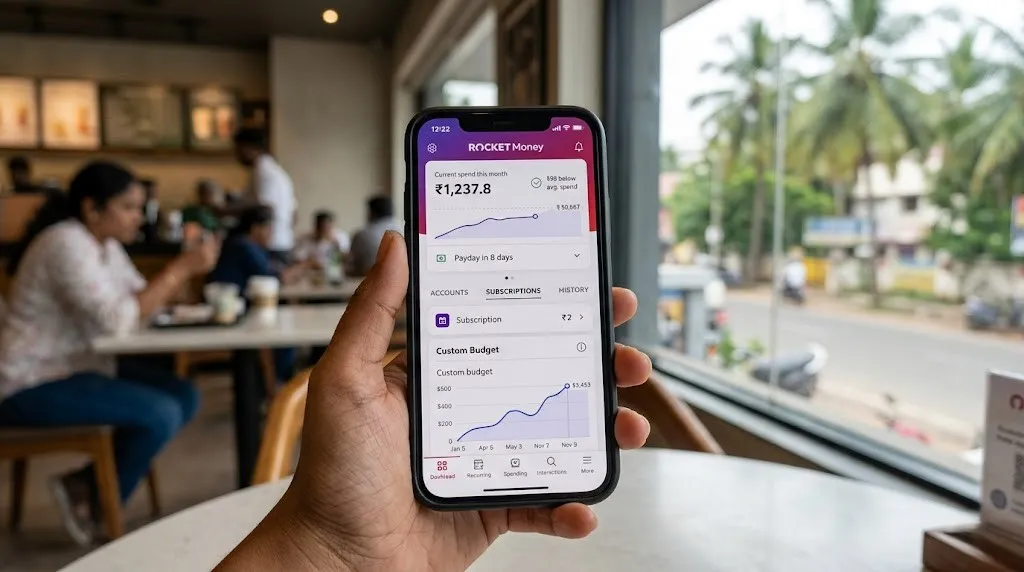
The “Leak” Check:
- Connect your main checking account.
- Scroll to the “Recurring” tab.
- Prepare to be horrified by how many $9.99 charges you no longer use.
6. Wave Accounting: For the Side-Hustler
In 2026, almost everyone has a side hustle. Whether you’re driving for a ride-share, selling on Etsy, or freelancing as a writer, you shouldn’t mix your “business” money with your “personal” money.
Wave is primarily for small businesses, but its accounting and receipt-scanning features are 100% free. It’s perfect for tracking expenses you might want to deduct during tax season.
7. The Security Elephant: Is Free Software Safe?
When a product is free, you have to ask: How are they making money?
Most of these companies make money through “affiliate marketing” (suggesting a credit card or loan that might save you money) or by offering a “Premium” version of the app. They are not selling your raw transaction data to hackers.
What to Look For:
- AES-256 Encryption: This is the same level of security used by the military and major banks.
- Read-Only Access: Most apps use services like Plaid to pull data. This means the app can see your transactions, but it cannot move your money.
- Two-Factor Authentication (2FA): Never use a finance app that doesn’t offer 2FA via an app like Google Authenticator or a hardware key.
Authority Link: For more on how to stay safe online, the Cybersecurity & Infrastructure Security Agency (CISA) provides excellent guidelines on protecting your sensitive data.
How to Choose the Right Software for You
Not all “top free personal finance software” is created equal. The right choice depends on your personality type.
| If you are… | Use this software… |
| The “Set it and Forget it” type | Empower |
| The “Strict Disciplinarian” | Goodbudget |
| The “Control Freak” / Privacy Nerd | GnuCash or Google Sheets |
| The “Forgetful Subscriber” | Rocket Money |
| The “Entrepreneur” | Wave |
Expert Tips for Success
Regardless of which tool you choose, the software won’t save you if you don’t use it. Here’s how to ensure you actually unlock your financial potential:
- The Weekly Review: Set a 15-minute “Money Date” every Sunday. Categorize any transactions the software missed and look at your progress toward your monthly goals.
- Don’t Over-Categorize: You don’t need a category for “Green Tea” and a separate one for “Black Tea.” Just use “Groceries.” If your categories are too complex, you’ll quit.
- Forgive Yourself: You will go over budget. You will have a month where you spend way too much on “Wants.” The software isn’t there to shame you; it’s there to provide data so you can do better next month.
The Bottom Line
You don’t need to spend money to manage money. Whether you want the high-tech automation of Empower or the tactile control of a Google Sheet, the “Top Free Personal Finance Software” options available today are more than enough to build a million-dollar net worth.
The “secret” isn’t the software—it’s the consistency. Pick one tool today, link your accounts, and face your numbers. The moment you stop guessing and start knowing, you’ve already won half the battle.
Which of these free tools are you going to try first? Drop a comment below and let’s talk strategy. Your future self is waiting!