Let’s be honest: looking at your bank account shouldn’t feel like watching a horror movie where you’re the first one to go. We’ve all been there—that mid-month ‘where did it all go?’ panic. The world of money is filled with jargon like fiduciary responsibility, tax-loss harvesting, and amortization tables that make most people want to take a nap. That’s why Personal Finance Tips for Beginners are so important—they simplify money management and help you build confidence with your finances.
But here’s the secret: you don’t need to be a Wall Street mathlete to win at money. You just need a few solid habits and the discipline to stick to them when the newest iPhone or a weekend trip to Vegas starts calling your name.
If you’re ready to stop “vibing” your way through your finances and actually build some wealth, here are 10 essential personal finance tips for beginners to get you on the right track.
1. Audit Your “Money Leaks” (Tracking Your Spending)
Before you can grow your money, you have to figure out where it’s escaping. Most people aren’t “broke” because they don’t earn enough; they’re broke because of a thousand tiny papercuts to their checking account.

We’re talking about that streaming service you haven’t watched since 2023, the premium app subscription you forgot to cancel after the free trial, and the “convenience fees” from ordering takeout three nights a week.
How to Do It: One of the Most Important Personal Finance Tips for Beginners
- The 30-Day Lookback: Go through your last three bank statements. Highlight every purchase that wasn’t a “need” (rent, utilities, basic groceries).
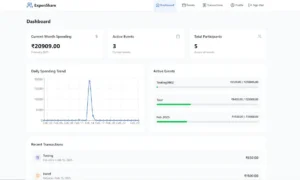
- Use Tools: You don’t need a complex spreadsheet. Apps like Rocket Money or YNAB (You Need A Budget) can help you visualize where the leaks are.
Pro Tip: If you see a recurring charge you don’t recognize, cancel it immediately. If you actually needed it, you’ll find out soon enough.
2. Master the 50/30/20 Rule
Budgeting has a bad reputation. It sounds like a diet for your wallet—boring and restrictive. But a budget isn’t about not spending money; it’s about giving yourself permission to spend money on things that actually matter.
The easiest framework for beginners is the 50/30/20 Rule, popularized by Senator Elizabeth Warren.

| Category | Percentage | What’s Included? |
| Needs | 50% | Rent, Groceries, Utilities, Minimum Debt Payments |
| Wants | 30% | Dining Out, Netflix, Hobbies, Travel |
| Savings/Debt | 20% | Retirement, Emergency Fund, Extra Debt Paydown |
If your “Needs” are taking up 80% of your income, you don’t have a spending problem; you have a “cost of living” or “income” problem. That’s a signal to either look for a side hustle or find a way to lower your big fixed costs (like getting a roommate).
3. Build a “Starter” Emergency Fund
Life has a funny way of throwing a wrench in your plans. Your car’s transmission will blow, your laptop will die, or your landlord will decide to hike the rent. Without an emergency fund, these “inconveniences” become “financial catastrophes” that end up on a high-interest credit card.
The Goal: Start with $1,000 to $2,000.
Once you have that, you can breathe. Eventually, you’ll want to build this up to 3–6 months of essential living expenses, but don’t let the big number scare you. Start small.
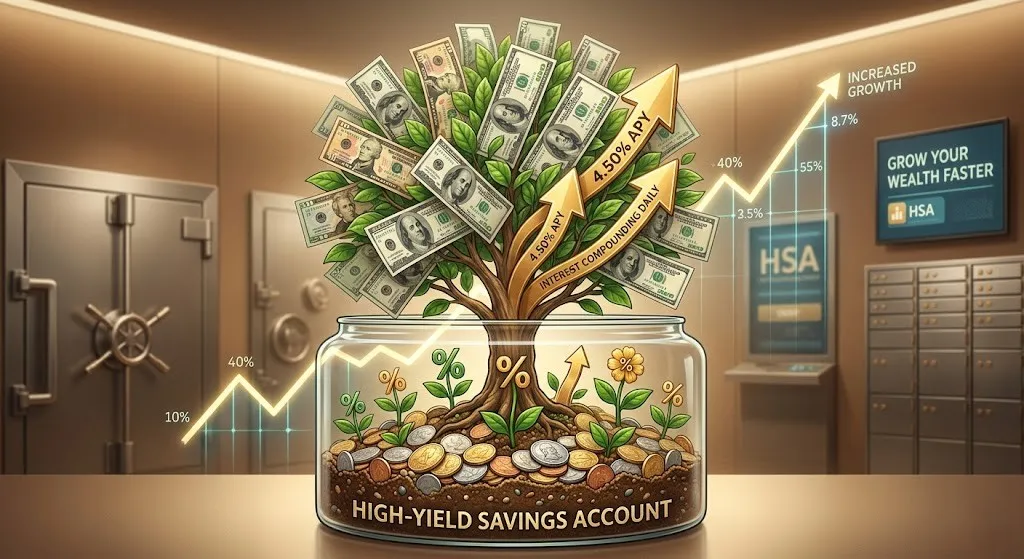
Where to keep it: Put this money in a High-Yield Savings Account (HYSA). According to Bankrate, HYSAs currently offer significantly higher interest rates than traditional big-box banks, meaning your “rainy day” fund actually grows while it sits there.
Understanding Economics and Personal Finance: Your Guide to Financial Success
4. Destroy High-Interest Debt (The “Hair on Fire” Phase)
Not all debt is created equal. A mortgage at 6% is “manageable.” Credit card debt at 24% is a financial emergency. If you have credit card balances, you are effectively paying a “stupid tax” to the banks every single month.
Two Popular Strategies:
- The Debt Snowball: Pay off the smallest balance first for the psychological “win,” then move to the next one.
- The Debt Avalanche: Pay off the debt with the highest interest rate first. This saves you the most money mathematically.
Pick the one that fits your personality. If you need quick wins to stay motivated, go Snowball. If you’re a logic-driven robot, go Avalanche.
5. Automate Your Way to Wealth
The biggest enemy of your financial success is you. We are impulsive, forgetful, and prone to “revenge spending” after a bad day at work. The solution? Take yourself out of the equation.
Set up automatic transfers so that the moment your paycheck hits your account:
- $200 goes to your savings.
- $100 goes to your Roth IRA.
- Your bills are paid automatically.

If you never see the money in your checking account, you won’t miss it. This is known as “Paying Yourself First.”
6. Understand the Power of Compounding
You’ve probably heard that you should start investing early, but let’s look at why. Compound interest is essentially “interest on interest.”
If you invest $500 a month starting at age 25, assuming an 8% annual return, you’ll have over $1.5 million by age 65. If you wait until age 35 to start, you’d have to invest almost double that amount to catch up.
How to start:
- 401(k) Match: If your employer offers a match, that is a 100% return on your money. It is literally free cash. Do not leave it on the table.
- Low-Cost Index Funds: You don’t need to pick the next Tesla or Nvidia. Buy the whole market through an S&P 500 index fund or a Total Stock Market fund (like VTSAX or VOO).
For more on the basics of index investing, the Bogleheads Wiki is the gold standard for beginner-friendly, “lazy” investing.
7. Protect Your Credit Score (Your Financial Reputation)
Your credit score is a three-digit number that determines how much the world trusts you with money. A bad score means you’ll pay thousands more for a car loan or a mortgage. It can even affect your ability to rent an apartment or get certain jobs.
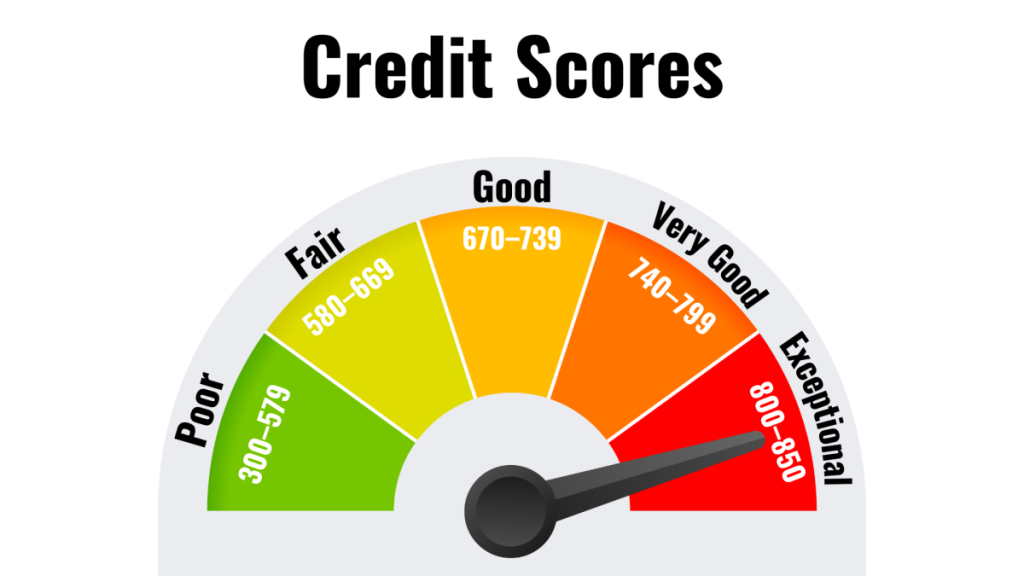
The Golden Rules of Credit:
- Pay on time, every time. One late payment can tank your score by 50+ points.
- Keep your utilization low. Try to use less than 30% of your available credit limit.
- Don’t close old accounts. The length of your credit history matters.
You can check your score for free without hurting it via AnnualCreditReport.com, which is the only site authorized by Federal law.
8. Beware of “Lifestyle Creep”
Lifestyle creep is the silent killer of wealth. It’s what happens when you get a $5,000 raise and suddenly decide you need a more expensive car, a nicer apartment, and more expensive hobbies.
A year later, you’re still living paycheck to paycheck, just with “nicer stuff.”
The Fix: When you get a raise, commit to saving at least 50% of the increase. If you get a $200-a-month bump, put $100 toward your goals and use the other $100 to upgrade your life. You still get to celebrate, but your future self is getting a “raise” too.
9. Invest in “Human Capital” (Yourself)
In the beginning, your greatest asset isn’t your stock portfolio—it’s your earning potential.
Investing $1,000 in the stock market might make you $80 in a year. Investing $1,000 in a certification, a high-value skill, or a public speaking course could lead to a $10,000 promotion.
- Read books (The Psychology of Money by Morgan Housel is a must-read).
- Listen to podcasts (Side Hustle Nation or The Money Guy Show).
- Learn how to negotiate. Most people leave thousands on the table simply because they’re afraid to ask.
10. Define Your “Why”
Money is just a tool. It’s paper and digital blips. If you don’t have a goal, you’ll eventually get tired of the discipline and go back to old habits.
What do you actually want?
- To retire at 50?
- To travel the world for six months?
- To never worry about a $400 car repair again?
- To buy a house with a yard for your dog?
Write down your top three financial goals and put them somewhere you can see them. When you’re tempted to buy something you don’t need, ask yourself: “Does this get me closer to the house with the yard, or further away?”
The Bottom Line
Personal finance is 20% head knowledge and 80% behavior. You now have the “head knowledge.” The rest is up to you.
Don’t try to do all ten of these things this afternoon. Pick one. Maybe it’s opening that High-Yield Savings Account or finally looking at your bank statement. Once you master one, move to the next.
Financial freedom isn’t about being rich; it’s about having options. And the best time to start creating those options was yesterday. The second best time? Right now